
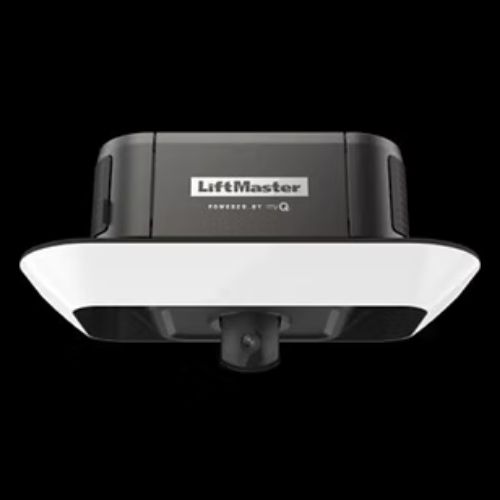
You should upgrade your garage door opener if it was made before 1993, lacks safety sensors, struggles to reverse, or needs frequent repairs. The Consumer Product Safety Commission has required entrapment protection on every opener since 1993, and units missing that feature are a safety risk, not just an inconvenience. At The Garage Door Superstore, we help homeowners spot these warning signs early and choose a LiftMaster opener that meets today’s safety standards.
Most homeowners don’t think about their opener until it starts acting up. But waiting too long can mean paying for repeated repairs on a unit that’s already outdated, or worse, living with a safety gap you don’t know about.
 What Are the Clearest Signs Your Opener Needs Replacing?
A few warning signs point to replacement rather than repair:
- The opener was manufactured before 1993 and has no external sensors
- The door doesn’t reverse when it meets resistance
- You hear grinding, clicking, or straining noises during operation
- Repairs are needed more than once a year
- The remote or keypad code hasn’t been updated in years
If your opener shows two or more of these signs, a LiftMaster garage door opener replacement is usually more cost effective than continued repairs.
Why Does the Age of Your Opener Matter So Much?
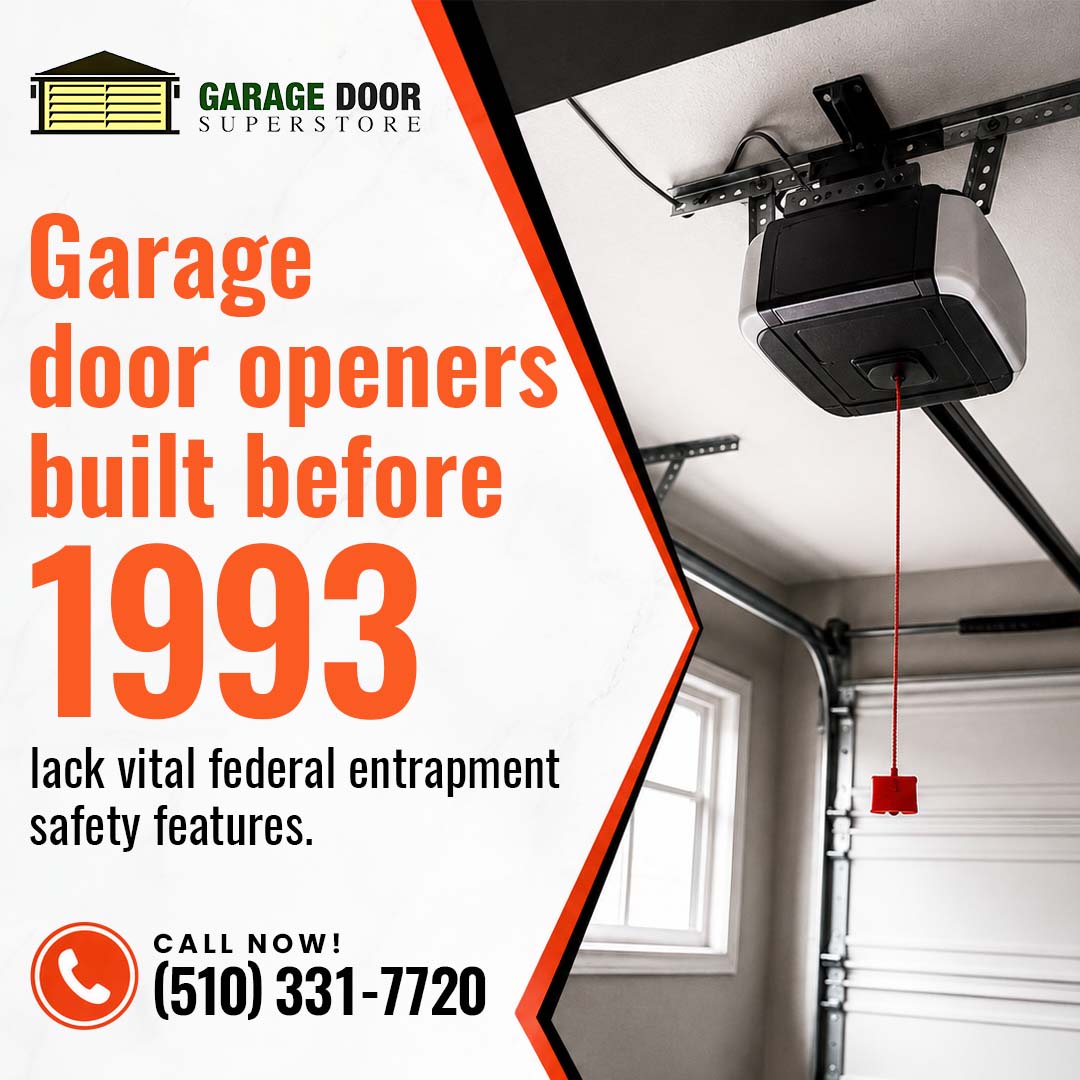
Age isn’t just about wear and tear. Federal safety standards changed the design of garage door openers in a meaningful way. The CPSC required all residential openers manufactured after January 1, 1993, to include external entrapment protection, such as photo-eye sensors, after tracking dozens of child injury and entrapment cases tied to older models. If your LiftMaster opener predates that standard, upgrading isn’t optional; it’s a safety necessity.
Not sure if your opener needs replacing? Reach out to us today.
How Do Older Openers Compare to a Modern LiftMaster Opener?
| Feature | Pre-1993 or Aging Opener | Modern LiftMaster Opener |
| Entrapment protection | Often missing | Built in, per CPSC standard |
| Remote security | Fixed code, easy to clone | Rolling code, changes each use |
| Backup power | Not available | Available with battery backup |
| Typical lifespan remaining | Near or past average life | 10 to 15 years of service (Angi) |
| Repair parts | Often discontinued | Widely available |
Does Upgrading the Opener Mean Replacing the Whole Door?
No. In most cases, a LiftMaster garage door opener can be installed on your existing garage door as long as the door’s springs, cables, and tracks are in good working order. A technician will check the door’s balance and hardware first, since a worn door puts extra strain on any new opener.
What LiftMaster Accessories Should You Add When You Upgrade?
When you upgrade, it’s worth outfitting the new opener with accessories built for it, such as a rolling-code remote, a wireless keypad, and a battery backup unit. Pairing a LiftMaster opener with the right LiftMaster accessories from the start avoids compatibility headaches later.
Frequently Asked Questions
- Can I keep my old remotes with a new LiftMaster opener?
Usually not. Older remotes use fixed codes that don’t match the rolling code security in current LiftMaster garage door opener models, so you’ll need new remotes or a keypad.
- How long does a professional opener installation take?
Most LiftMaster opener installations take two to three hours, assuming the existing door hardware is in good condition.
- Is it worth repairing an old opener instead of replacing it?
If the opener predates 1993 or lacks safety sensors, replacement is the safer and often cheaper long-term choice over repeated repairs.
 Ready for a Safer, More Reliable Opener?
An outdated opener isn’t just inconvenient; it can be a real safety gap in your home. We’ve helped homeowners and contractors across the Bay Area and Sacramento replace aging openers with dependable LiftMaster models, in stock and ready to install without the wait. Contact The Garage Door Superstore today by calling (510) 331-7720 or emailing thegdsuperstore@gmail.com.